
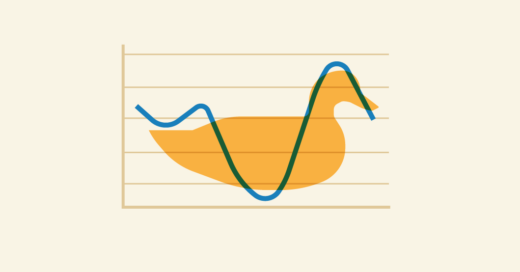
New England has so much rooftop solar (more than 7000 MW installed) that the once-rare “duck curve” day – when we buy less electricity mid-day than at night because we’re using our own solar power – is becoming ordinary.
New England ISO, which runs the six-state power grid, says it had 134 duck curve days in 2025, “up from 107 in 2024. Their frequency has been steadily increasing since New England’s first duck curve was observed in 2018.”
Early on, duck curves were most prevalent on spring weekends. Solar panels tend to be most productive in the spring, and electricity demand tends to be lower outside the work week and when temperatures are mild. Today, duck curves can happen in any season and any day of the week. In fact, the region has already had one duck curve day in 2026, on Jan. 8 — a chilly Thursday.
The number of duck curve days is likely to continue increasing as more New England homes and businesses add solar panels.
 Return to the Concord Monitor
Is there a way to convert duck curves into actual savings for electricity ratepayers — as in how many dollars were saved for ratepayers in 2025 by New England’s 7000 MW of installed solar? Or, what would ratepayers have paid had there been zero MW of installed solar and the 7000 MW were purchased from next available dispstchable generator?