
Sci/tech tidbits in and around New Hampshire
Reporting on sales tax is hard in New Hampshire: I’ve forgotten how it works
It’s hard to know what the result in New Hampshire will be of the Supreme Court decision allowing sales tax online.
The fight over an ‘added sugar’ label for syrup shows that informing consumers is quite complicated
Maple sap is boiled down to 4% of its original volume to concentrate natural sugars – is that functionally the same thing as artificially adding sugar?
Science Cafe in Concord will discuss medical marijuana – no Doritos jokes, please
As always, Science Cafe NH in Concord is free and open to all. It starts at 6 p.m. upstairs at The Draft Sports Bar, 67 S. Main St. Come early if you want a good seat. It might be hard to believe that it has been five whole years since New Hampshire approved...

A mid-sized black hole spotted via an astronomical photobomb
During a Tidal Disruption Event, some stellar debris is flung outward at high speeds, while the rest falls toward a black hole, where it heats up to millions of degrees and generates a distinct X-ray flare.
Report: Rising sea will flood $645 million worth of N.H. property
There’s seaside property, and then there’s property where the sea comes inside. The former is great – the latter, not so much.
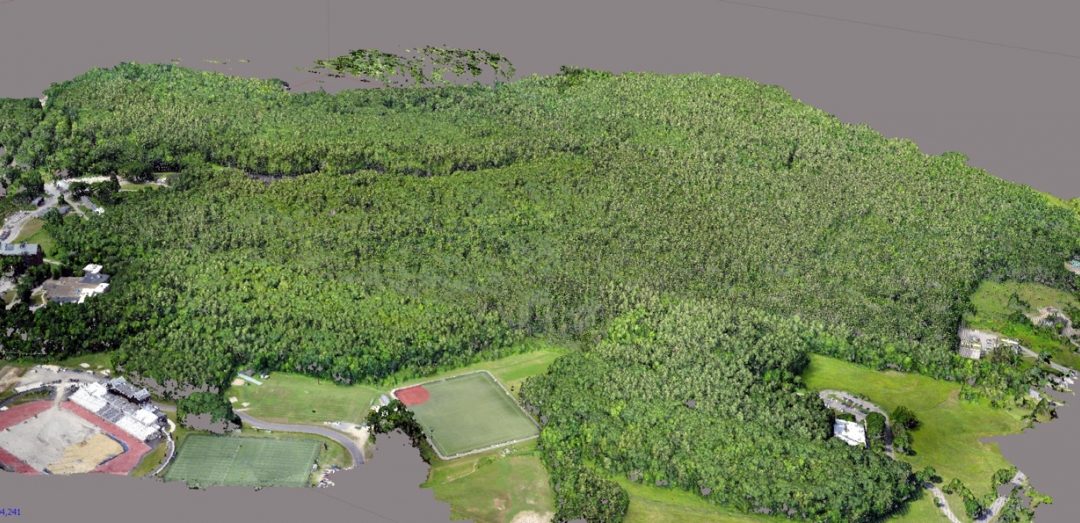
UNH finds that drones can analyze forests, but don’t fly too low
It is impractical to process imagery captured by flying lower than 100 meters above the ground.

Ranked choice voting survives in Maine and is already complicating things
It’s 36 hours after the polls closed and we still don’t know who won Maine’s Democratic primary for governor.
Readers are worried about my ‘tick tubes’
One reader decried my dependence on a “Maginot Line of toxic lint,” a phrase that I’d give my eye teeth to have written.
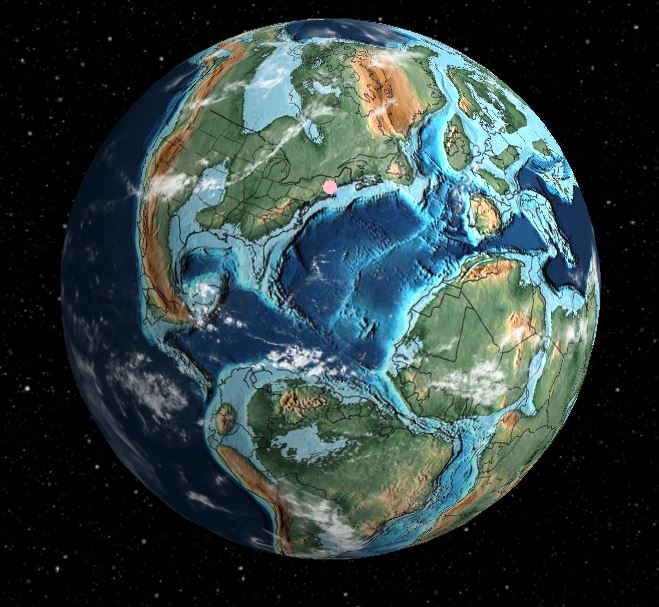
Where would we be 105 million years ago?
We'd be right about there, according to a website called Ancient Earth globe. Look at plate-tectonic-shifted Africa and Europe. Plus: No icecaps, so the oceans were a lot higher. I learned about it in this article from Kottke.org.
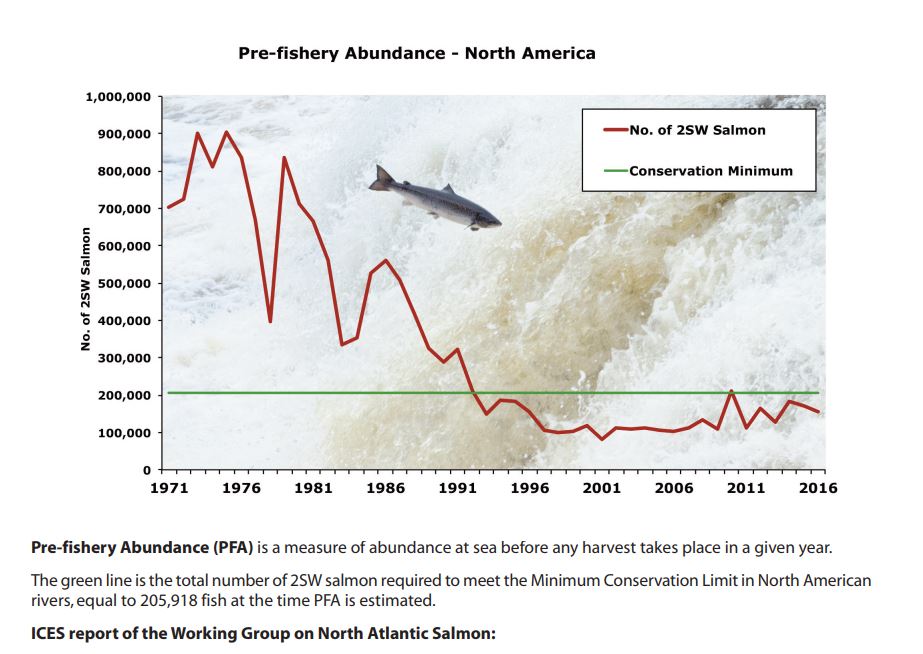
The number of Atlantic salmon returning to N.E./Canada rivers fell 15% last year
When you breed in fresh water, live in salt water, and have to travel between them in order to reproduce, there are three times as many environmental problems that can hurt you.
 Return to the Concord Monitor