by David Brooks | Oct 14, 2016 | Blog
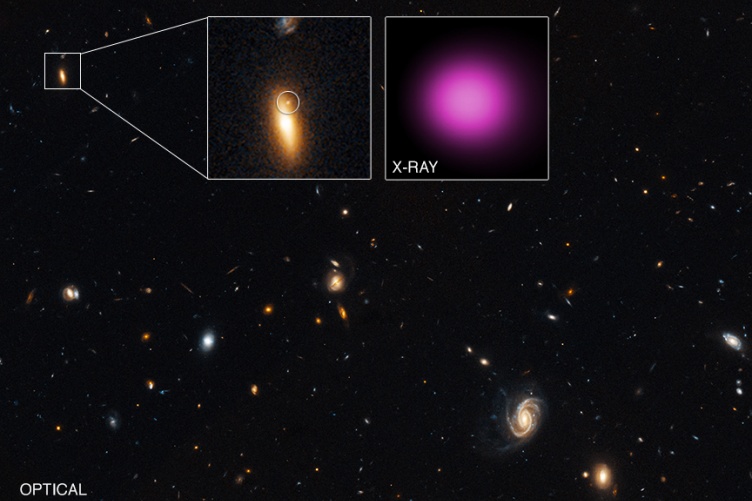
By Beth Potier, UNH News Service: It sounds like the stuff of science fiction: researchers discover a massive black hole wandering at the edge of a galaxy about 4.5 billion light years away. But it’s science fact, and the discovery of this unusual phenomenon is key to...
by David Brooks | Oct 13, 2016 | Blog
One of the most depressing results of industrial pollution is the way that fish in even the most remote, pristine of New Hampshire lakes are tainted by mercury, deposited there by fumes from coal-burning (mostly) power plants – to the point that pregnant women,...
by David Brooks | Oct 12, 2016 | Blog
Former military bases cry out to be reused. Sometimes it works pretty well – Pease Tradeport in New Hampshire is finally taking off – but often they just end up mostly sitting there, a collection of decaying buildings and in-ground pollution that is too...
by David Brooks | Oct 11, 2016 | Blog
The Washington Post has a fascinating story (right here) about a number of perhaps related lawsuits filed around the country against imaginary plaintiffs. Why? Because … The answer is that Google and various other Internet platforms have a policy: They won’t...
by David Brooks | Oct 11, 2016 | Blog, Newsletter
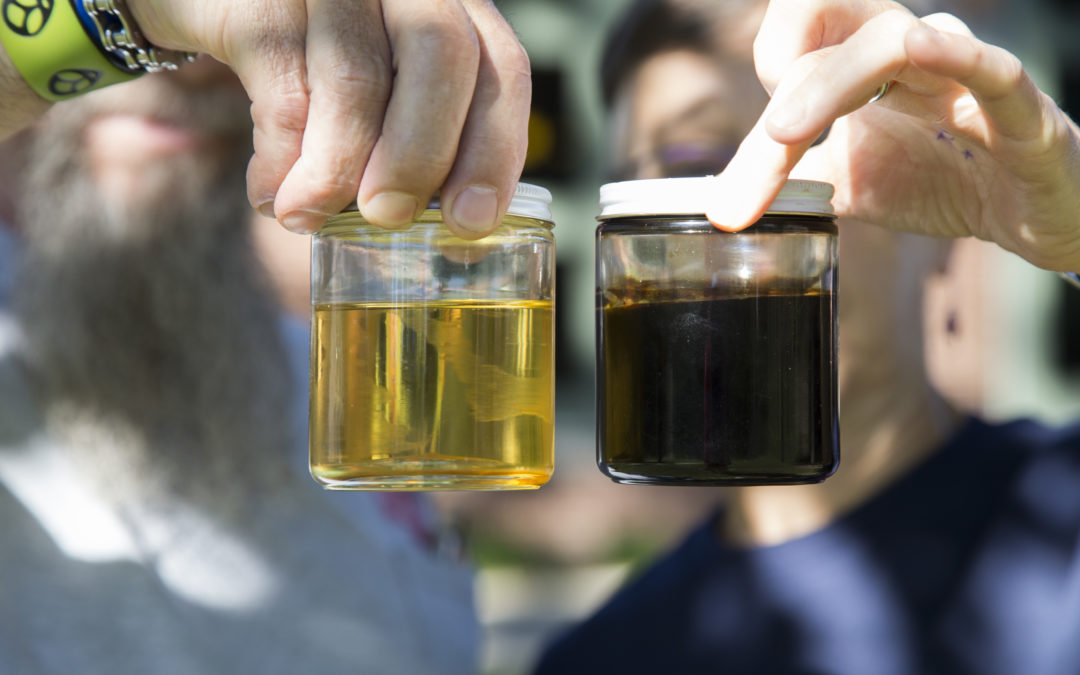
I’ve done a lot of stories about biodiesel and cellulosic ethanol over the years, so my initial reaction to a press release from Keene State College saying that they were burning vegetable oil for heat was “ho hum”. But it turns out this is a...
by David Brooks | Oct 11, 2016 | Blog, Newsletter
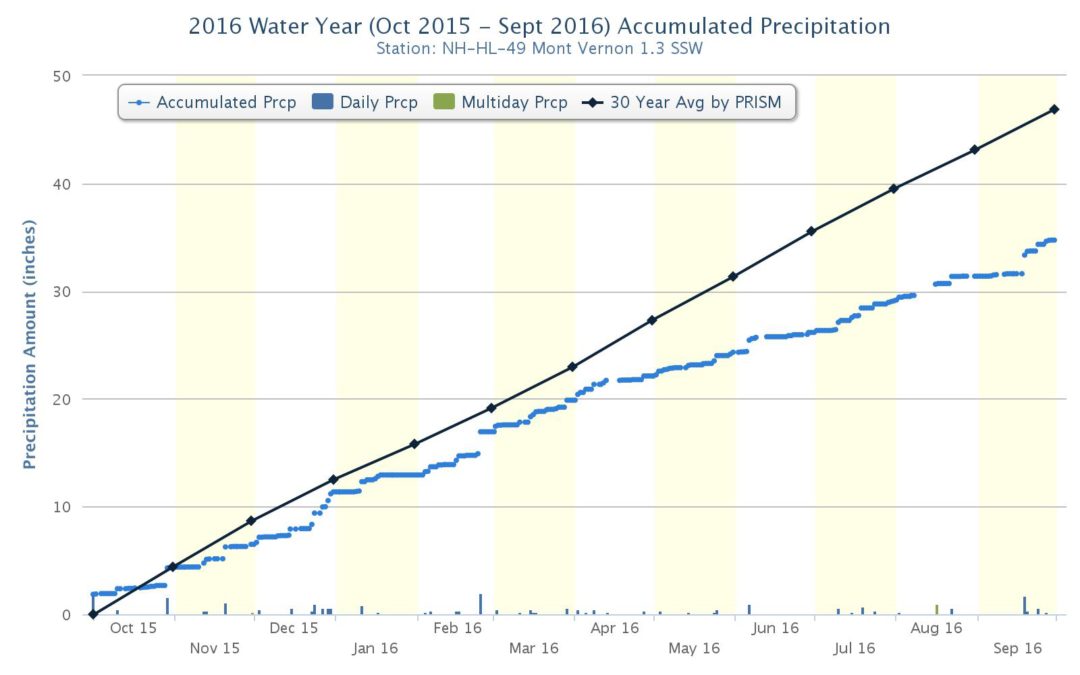
The chart above is the water year (October to October) chart of precipitation I’ve measured at my house for CoCoRaHS. The solid line is the estimated 30-year average, based on long-term measurements nearby. The dryness started in April of 2015, as this chart...

 Return to the Concord Monitor