by David Brooks | Oct 3, 2019 | Blog, Newsletter
From Dartmouth News Service: A Dartmouth-led study examining carbon stocks in an actively managed mixed wood forest in New Hampshire finds that places with more trees have more carbon stored in both the trees and the soil. The findings, published in Forest Ecology and...

by David Brooks | Oct 3, 2019 | Blog, Newsletter
From UNH News Service: Researchers at the University of New Hampshire have found clear signs of a decline in frost days, snow-covered days and other indicators of winter that could have lasting impacts on ecosystems, water supplies, the economy, tourism and human...
by David Brooks | Oct 3, 2019 | Blog, Newsletter
I have two “lazy” compost piles, one for food waste and one for leaves. I throw stuff in a pile and leave it to rot in the open – no mixing, no watering, no balancing carbon/nitrogen. I’ve been doing this for decades, and it surprises me how...
by David Brooks | Oct 2, 2019 | Blog, Newsletter
White-nose syndrome obliterating entire species of bats. Chytridiomycosis devastating frogs and salamanders worldwide. Snake fungal disease, a devastating ailment that has just shown up in New England. The fungus carried by emerald ash borers that are wiping out all...
by David Brooks | Sep 30, 2019 | Blog, Newsletter
A lot of art/science mashups aren’t terribly impressive. They’re often something along the lines of a statue that contains Erlenmeyer flasks, or a fractal picture, or a melody-free song called Quantum Uncertainty. The UNH Center for Acoustics Research and...
by David Brooks | Sep 30, 2019 | Blog, Newsletter
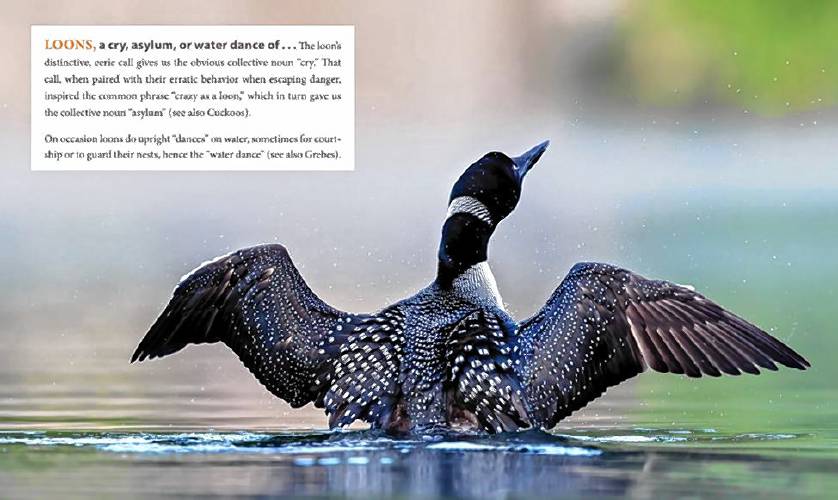
There are lots of colorful names for groups of birds – murder of crows, etc. – most of them unofficial and most of them with obscure etymologies. How about “asylum of loons”, one of the terms for a grouping of this usually solitary water bird?...

 Return to the Concord Monitor