by David Brooks | Feb 26, 2018 | Blog, Newsletter
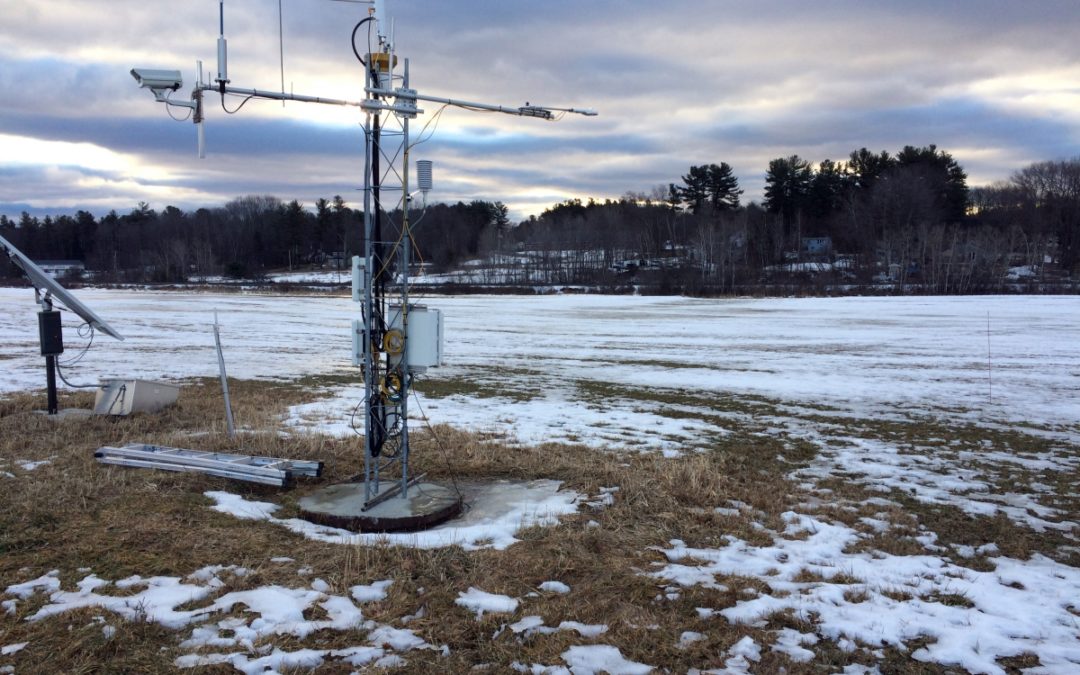
New England’s warmer, snow-free winters may increase carbon dioxide losses in forests, where deciduous trees can’t take advantage of warm temperatures before their leaves emerge. However, farms cultivating grasses have a greater potential to start growing in the...

by David Brooks | Feb 26, 2018 | Blog, Newsletter
I ran the following item in the Concord Monitor on Wednesday. By noon Thursday, I had heard from more than two dozen people who have working dial telephones in their kitchens, garages, woodsheds (yes, woodshed) or camp. The Dial Isn’t Dead! I’ll have a...

by David Brooks | Feb 21, 2018 | Blog, Newsletter
They take lobster seriously in Maine, even when it’s a Unicode standard rather than a seafood delicacy. As reported by the Portland Press-Herald (which knows a good Maine story when it sees one), some objected because the proposed lobster emoji had six legs and...
by David Brooks | Feb 21, 2018 | Newsletter
This story by staff writer Lola Duffort ran in the the Concord Monitor on Sunday. It reflects a problem that many researchers face: Trying to make judgments based on insufficient data. Despite school shootings being fairly rare, threats of violence from students can...
by David Brooks | Feb 20, 2018 | Blog, Newsletter
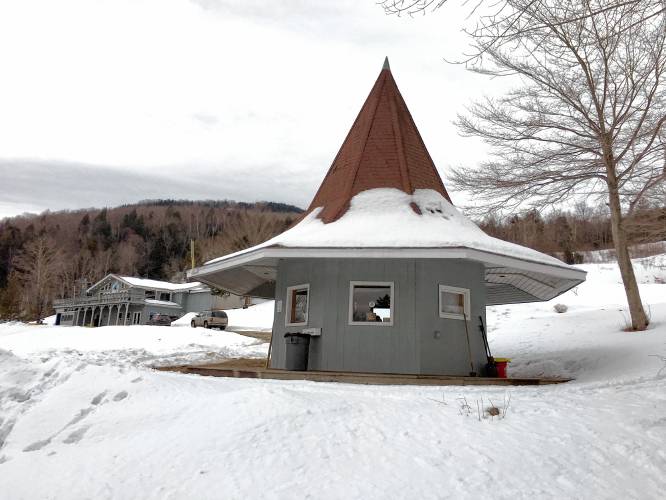
The stealth reopening of Tenney Mountain ski area in Plymouth on Saturday after almost a decade of neglect is the latest example of a surprising resurrection of dead Northeast snow-sports mountains, and in some ways the most unusual of them. “There have been a great...
by David Brooks | Feb 19, 2018 | Blog, Newsletter
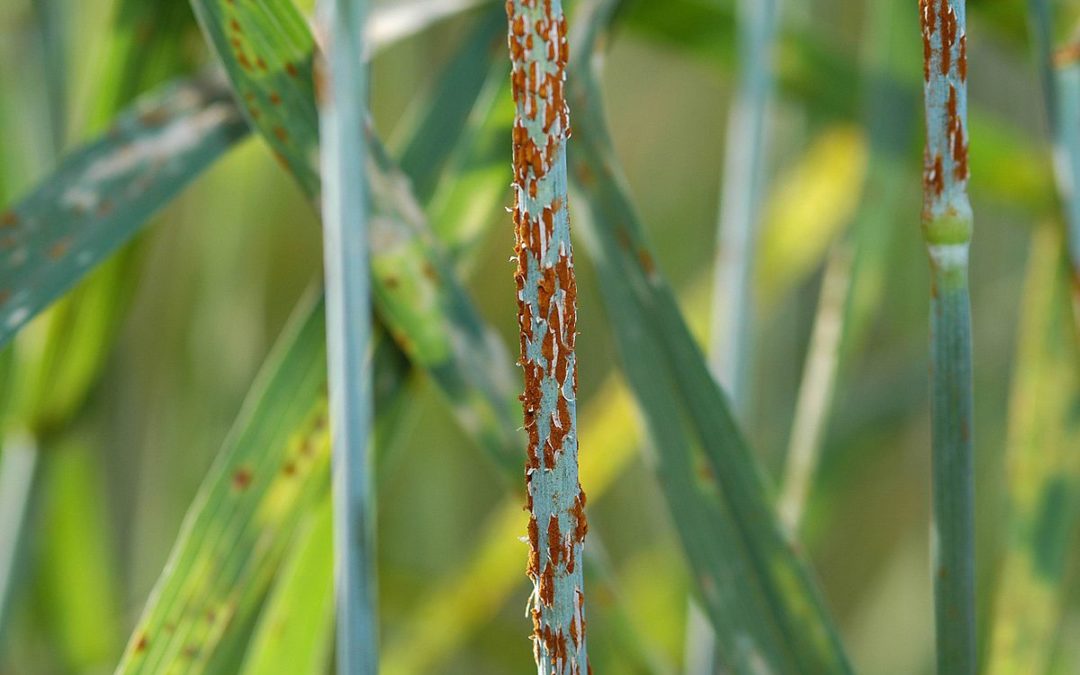
From UNH News Service: Stem rust is one of the most feared agricultural diseases in the world, infecting wheat and other cereal crops. The fungal pathogen is capable of severe epidemics, thus presenting a threat to the global food supply. In New England, the disease...

 Return to the Concord Monitor